Digital Visual System & Content Architecture - Fotogalerie Friedrichshain
Role
UX/UI Designer — Digital System Design & Content Architecture
Context & Challenge
The gallery’s Instagram suffered from inconsistent visual standards, fragmented information hierarchy, and low engagement.
Content quality depended heavily on individual execution, creating scalability and risk issues.
Goal:
Design a scalable visual and content system that improves clarity, engagement, and brand consistency — without paid advertising.
System-Level Design Strategy
System Design over Execution
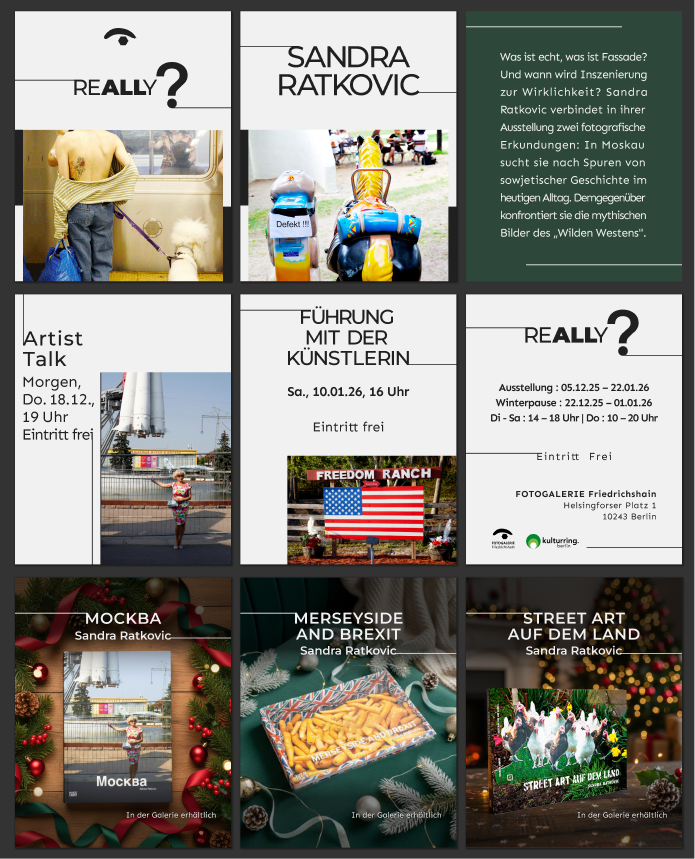
Designed and owned a scalable content design system, defining:
- Poststructures
- Information hierarchy
- Cover logic and layout rules
Shifted output from individual execution to system-driven consistency.
UX Principles Applied to Platforms
Structured content using UX logic:
- 3-second hooks to reduce early drop-off
- One-minute narrative frameworks for retention
Treated each reel/ story format as a controlled UX experiment.
Data-Informed Iteration
Used platform analytics and AI-assisted analysis to monitor:
- Saves, Shares, and meaningful engagement
Iterated formats, timing, and narrative structure based on real user behavior.
Execution
- Built handoff-ready templates and layout standards to reduce dependency on individual execution quality.
- Introduced AI-assisted workflows for subtitles, translations, and video effects, reducing production time by ~70%.
- Established a repeatable, low-maintenance publishing process.
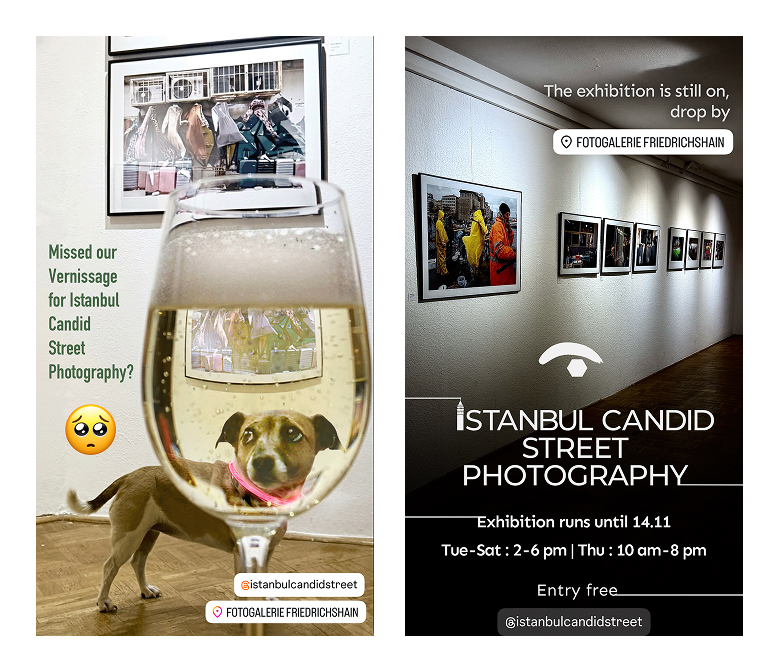
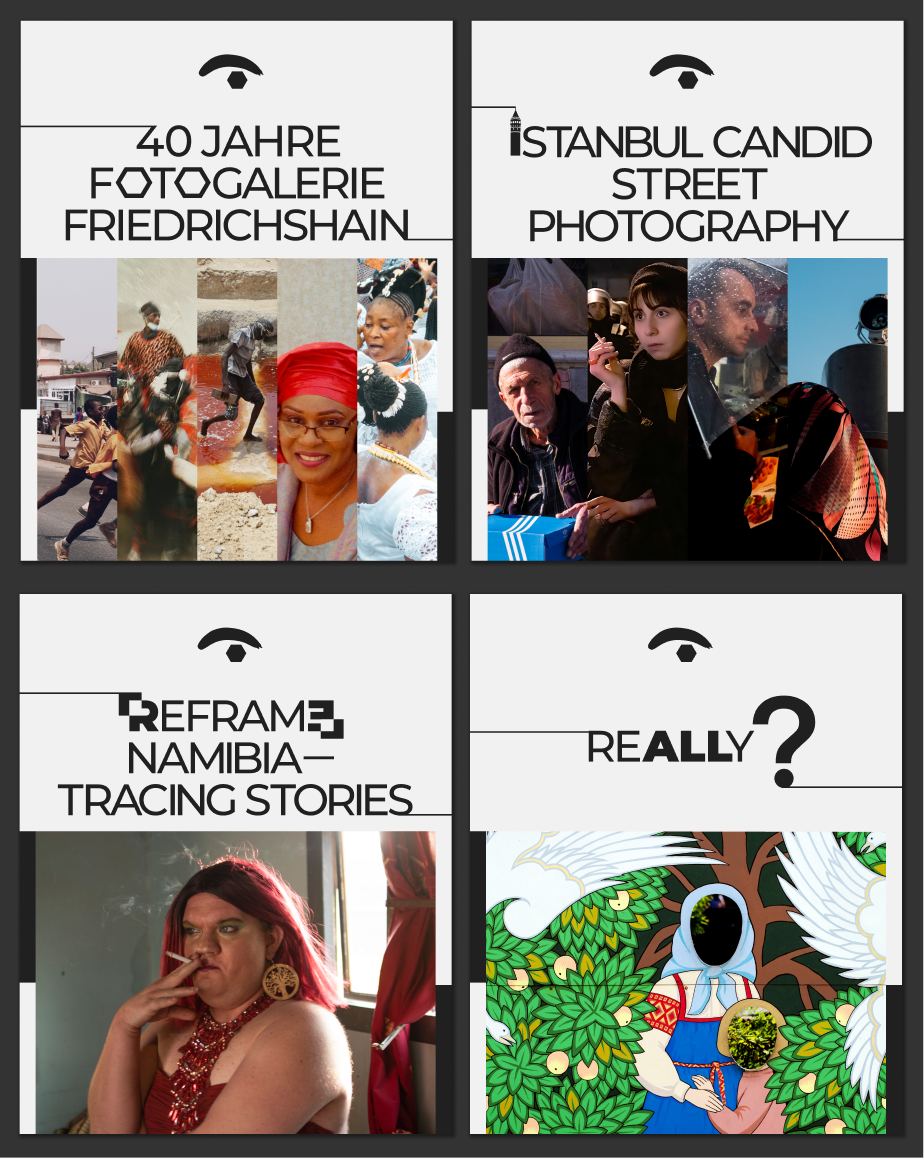
After: A unified post preview system was introduced to create visual consistency, strengthen brand recognition, and elevate the gallery’s professional presence.
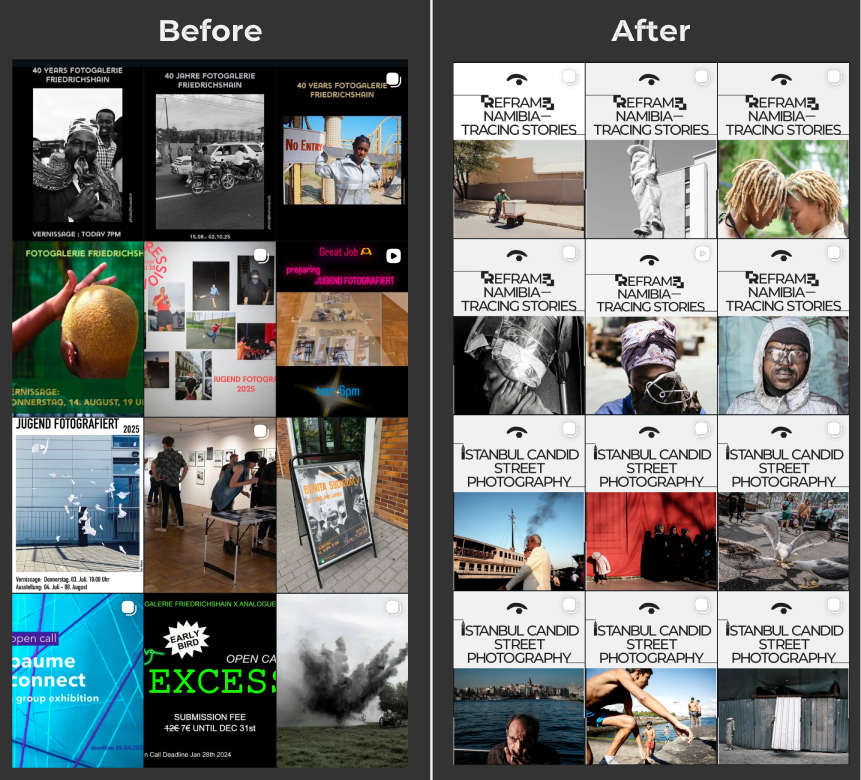
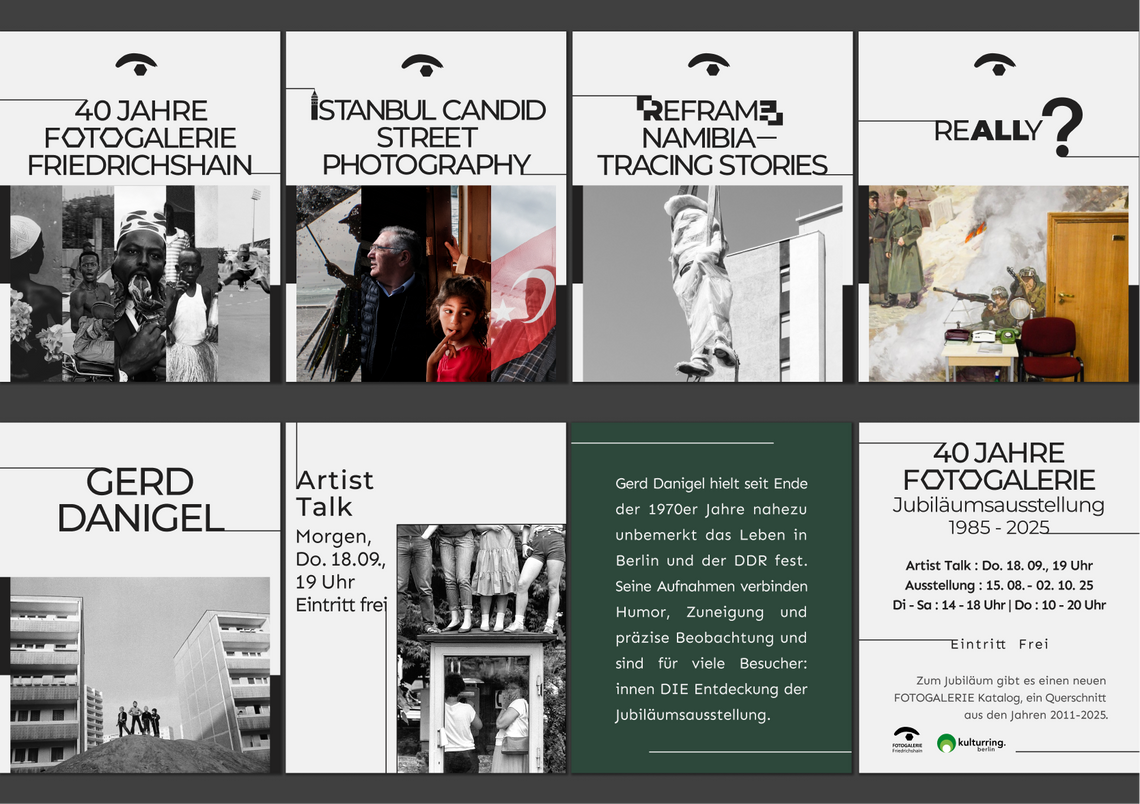
Cover concept: An info-driven graphic system blending exhibition titles with collage photography to balance clarity and visual expression.
Outcome (90-Day Impact)
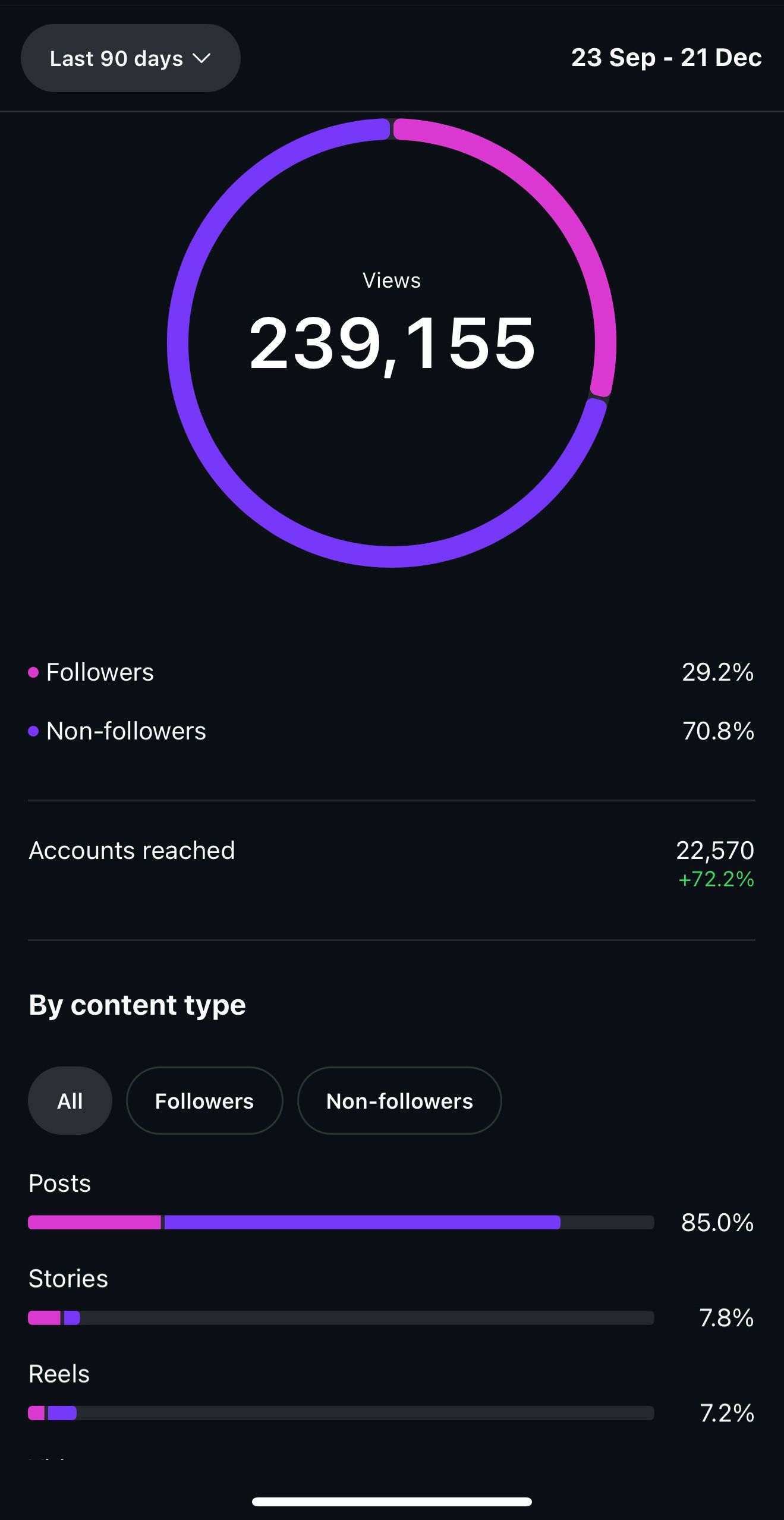
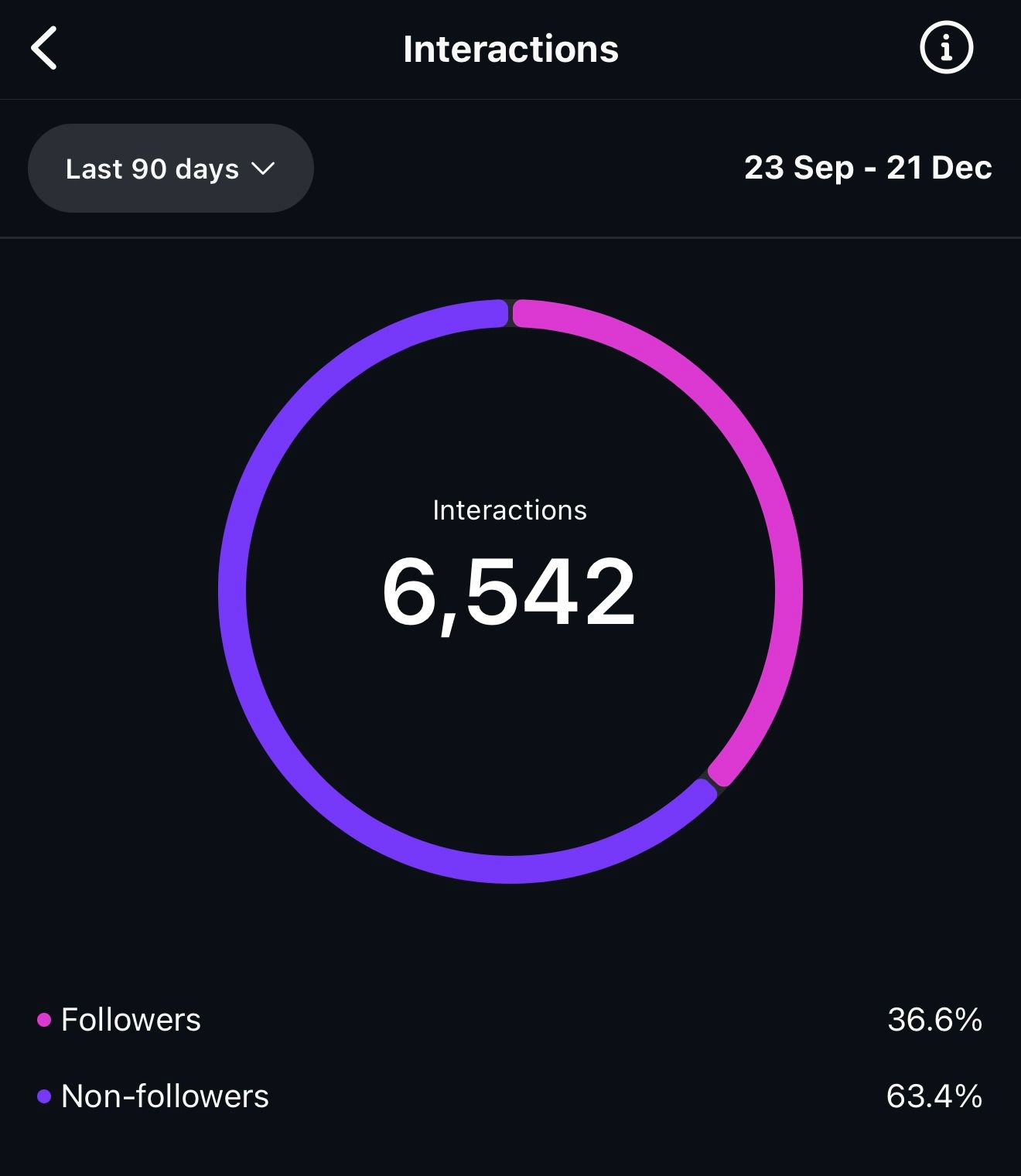
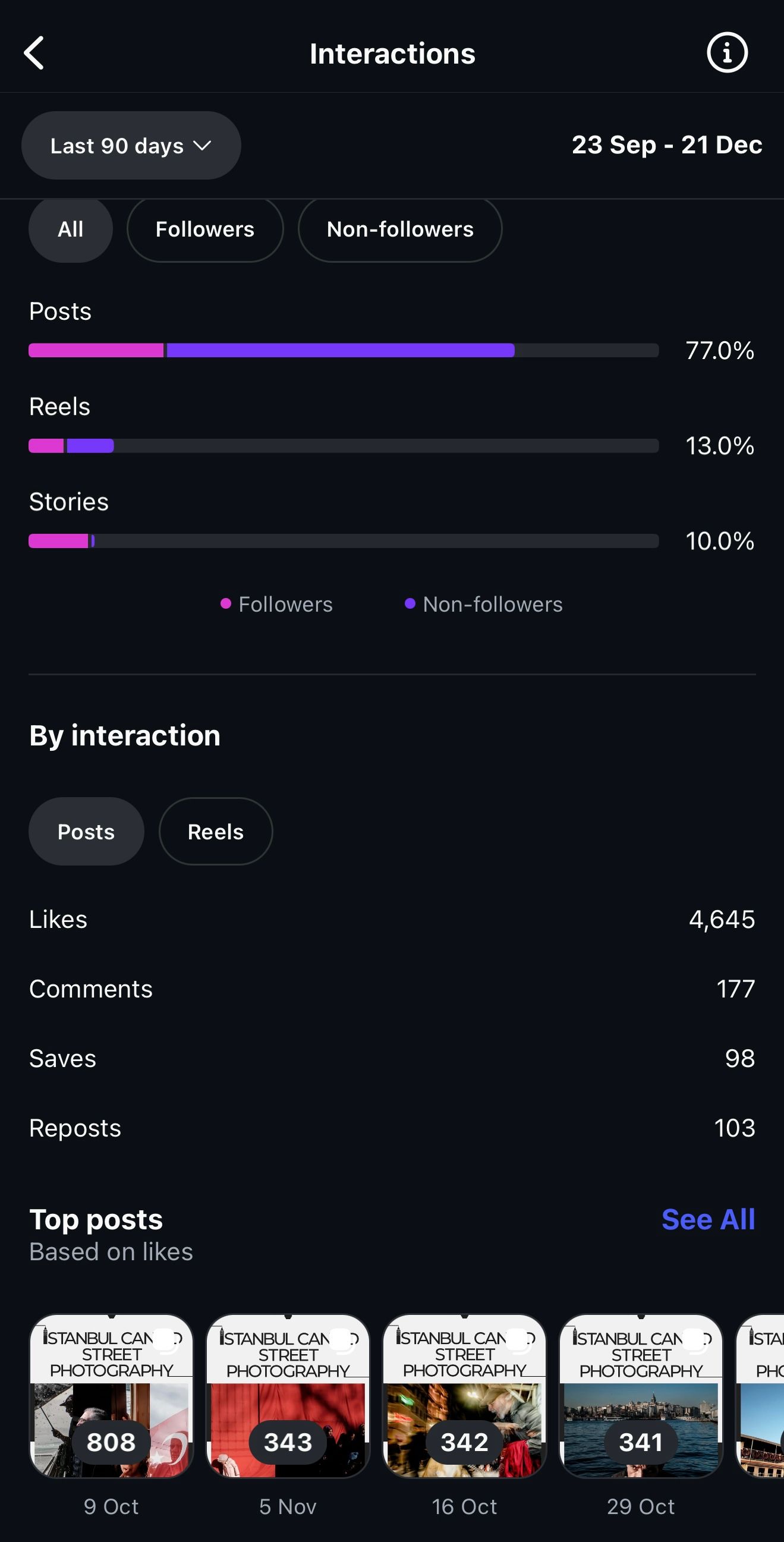
- 239k organic views in 90 days
- 70.8% reach from non-followers
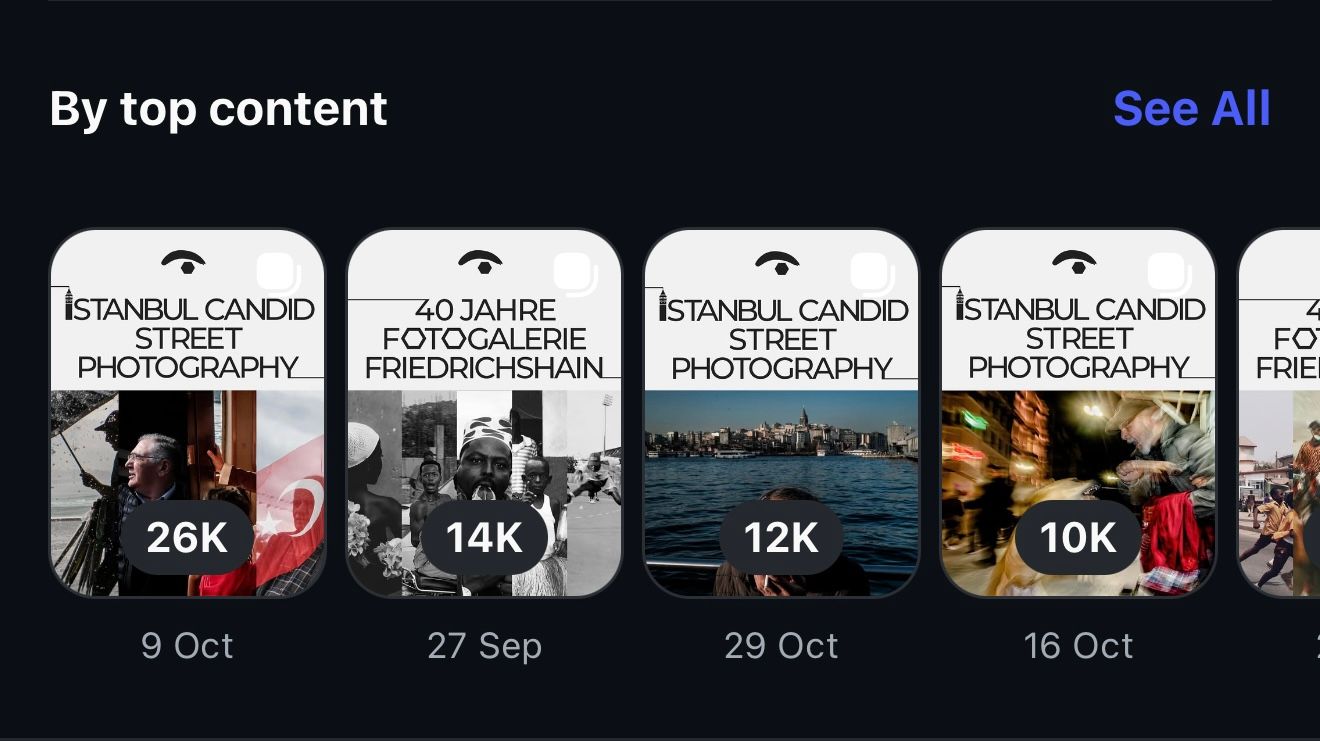
- Top reel: 26k views (10× baseline)
- +4.8% follower growth
- Top-performing Reel: 26k views (10× previous account average)
- Improved brand clarity, consistency, and perceived professionalism
- Organic reach and engagement confirmed strong audience relevance
Key Takeaways
- UX/UI Relevance: Applied system thinking, behavioral analysis, and iterative testing outside traditional product interfaces.
- Risk Reduction: Replaced ad-hoc execution with standardized systems and quality controls.
- Portfolio Value: Demonstrates transferable UX skills — system ownership, experimentation, and data-driven design.
This project focuses on system-building and validation, not long-term content execution. Scope intentionally limited to system design and performance validation.